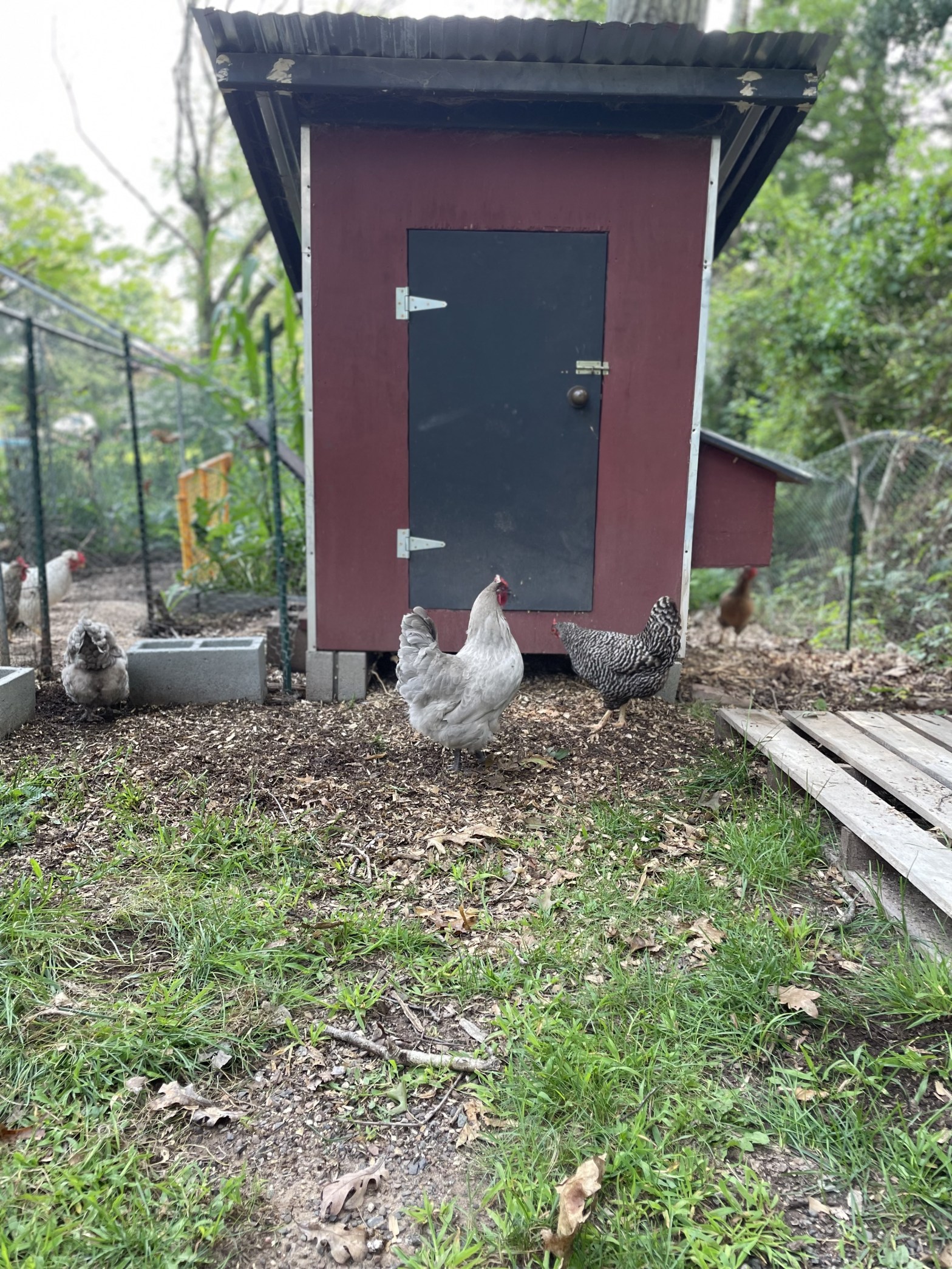
Backyard poultry has been on the rise for years now but Covid has helped it grow even more. Having your farm fresh eggs sounds great, But is it something you should do?
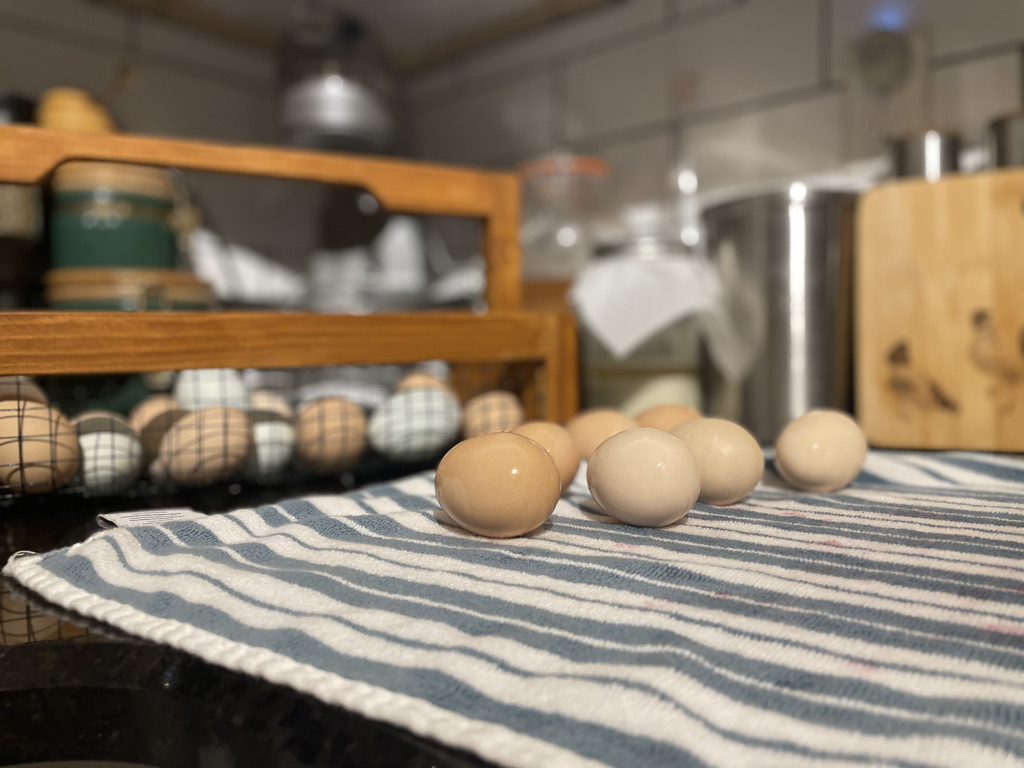
Here are a few things you should think about be for you take that trip to the feed store or click to buy on that hatchery website.
- Do you have time? How much time will it take me a day?
- Do you have space?
- Can you have chickens in your town? Are there restrictions?
- How much will this cost me?
- Do I want chicks or pullets/young birds?
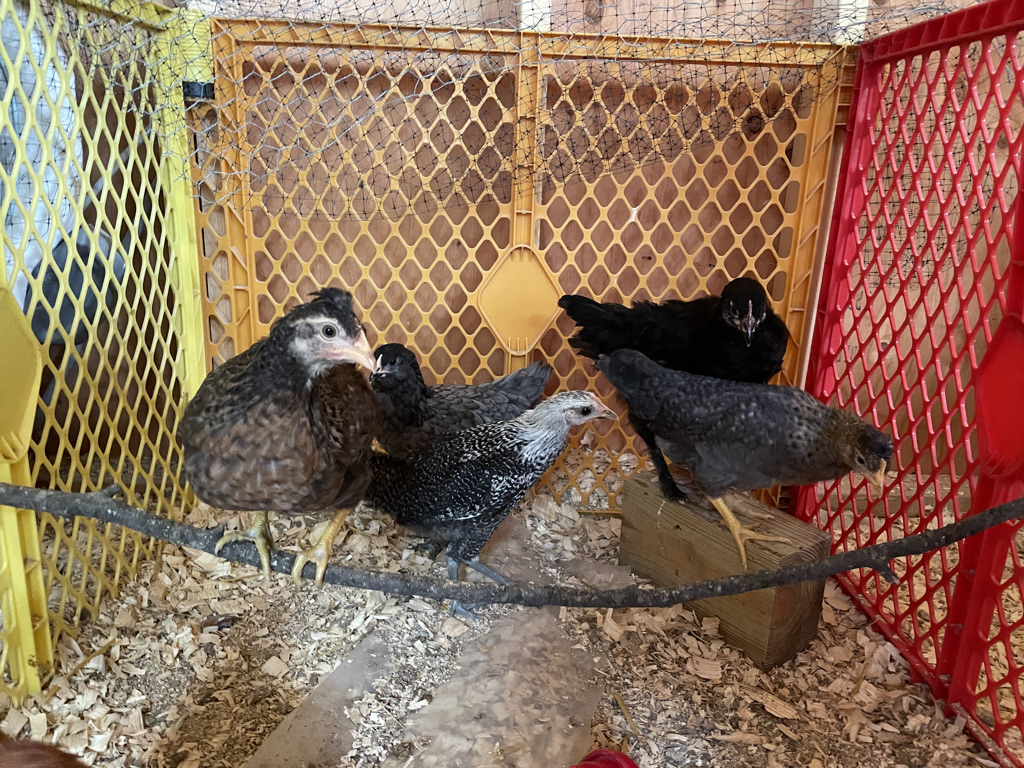
Do you have time? How much time will it take for me a day?
Short answer: Somewhere between 10-30 minutes a day and between one to two times a day.
Long Answer:
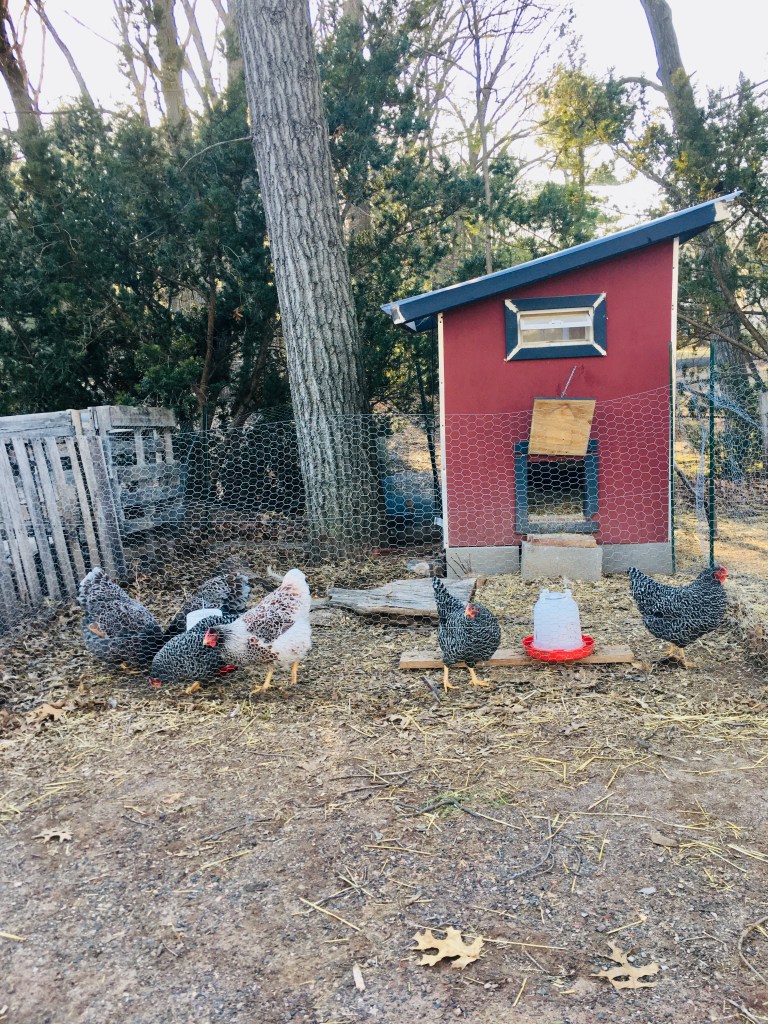
The best time comparison I have heard and used for the time commitment for raising chickens is between having a fish and a cat. That being said after having raised chicken for some years I say they are closer to the cat side than the fish side of the amount of work. So what does that mean, well at my house our morning starts by getting up with my toddler and then feeding the dog flowed by going out to feed, water, open, and check for eggs. This whole routine takes us about 30 minutes but the chicken is as little as 3 minutes to as much as 15 on most days. We do this twice a day but in the evening it even less time because all we do is check that everyone is ok, look for eggs, and lock up for the night. Other than once every couple weeks when I clean the coop which takes about 30 minutes that all of the time commitment is that’s from a day. But just like with fish, dogs, cats, and other domestic pets, there are different products you can make this even less time. A few examples are solar-powered coop door that opens and close with the sun so you don’t have to, almost all feed hold a couple of days up a week’s worth of food, and their water heaters you can use the keep water from freezing. Depending on the setup of your coop you are looking at 10 minutes twice a day or 10 minutes once a day.
Do you have space?
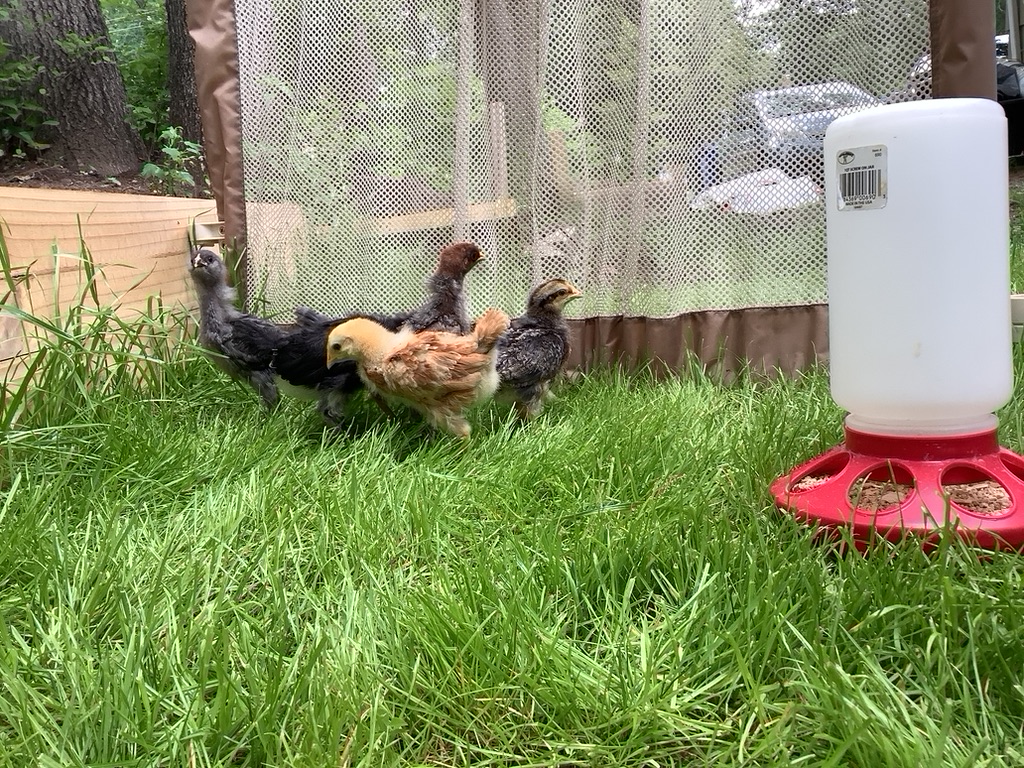
Short answer: A 4×4 coop with a 4×6 run
Long answer:
This is an easy math question to answer, the most common answer is 2 to 4 square feet per bird. The range has to do with the size of chickens you plan to get. For the sake of this equation let us what Google says is the most common breed for backyard flocks, ISA browns, they are a breed that I would be considered a “light breed” but on the bigger side of light so I would go this 4 square feet per bird more space is always better than not enough when it comes to chickens. You should also remember that chickens are flock animals they must have friends. My own opinion is that you should never have fewer than three chickens. This first number is just for coop space not including run space(outside). For a bird like the ISA Browns, the recommended space is 8 square feet per bird( the range is 8-10 for all stander/large chickens I went with 8 for this example but remember more space is better). Now let’s say we have the minimum number of chickens three and find how much space we will need.
3(number of chickens) x 4(square feet per bird)=12 square feet needed for a coop
3(number of chickens) x 8(square feet per bird)= 24 square feet need for the run
This converts to a minimum coop size of 4 by 4 and a run that is 4 by 6.
Can you have chickens in your town? Are there restrictions?
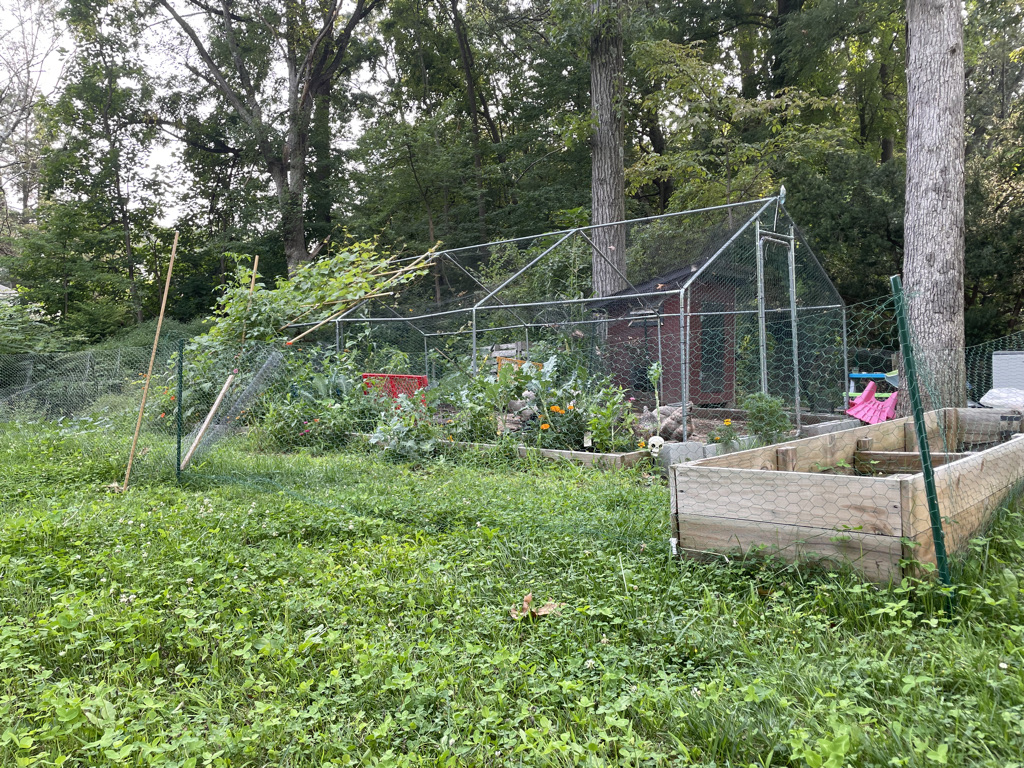
Short answer: Call and/or look up the laws and regulations of your town on poultry/chickens. Then talk to your neighbors and let them know you are thinking of getting chickens(you can always keep neighbors happy with eggs )
Long answer:
This is an essential step in your journey to getting chicks, many towns allow hens but not rosters and there is usually a restriction on the number of birds you can have in correlation to your property size. An example of this is where I live there is no roaster law on any property under 3 acres and you can have 6 hens per acre. Our first chicks were from a friend of mine that breeds so they were straight run(both male and female) so of course I got three rosters out of eight chicks and I had to find new homes for the roasters. I was very lucky that I have many friends from my years of 4-H that I was able to find a friend of a friend to take all three but that’s not always the cause. So make sure to look up your town rules before getting your chicks/chickens. Luckily when you are getting your chicks from a hatchery or feed store you can pick between straight run and female/pullets chicks but keep in mind that sexed Chicks are a little more than straight run and grown pullets are even more.
And last but not least remember to talk with your neighbor so they are aware, and not lonely if you are getting a roster but also because hen can be busybodies. I have one hen that we have named Houdini due to her love of escaping not only her fenced-in coop but also when she is free-ranging, she has a thing for my neighbors’ wooded area( not sure why ours is not good enough but…) and we are very lucky to have very understanding neighbors don’t care when my one crazy hen jumps two fences to get to the house. So long story short make sure your neighbors know and are ok with your birds!
How much will this cost me?
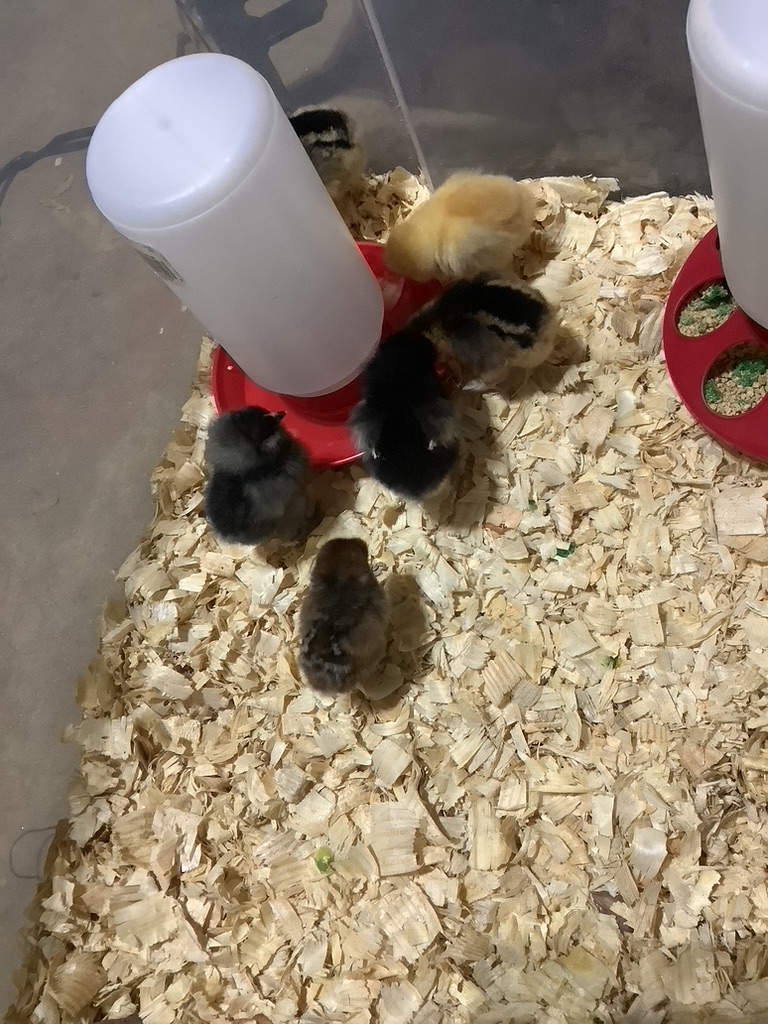
Short answer:
Low end
Coop and supplies: ~$450
Hight end
Coop and supples:$4100+
There is always a monthly cost of feed and extras and with the minimum of 3 chickens you could probably get 1 50lb bag every 4-6 weeks( so $ 16-$24 in feed cost)
Long answer:
There is an average cost per month per bird as well as a let’s call it a start-up cost. The start-up cost is the price of the bird/chick, coop, feed and water, and any extras you want for your coop. There also is the cost difference between starting from chick to starting with young birds(this could be pullets, hens, and/or rosters). When you start with chicks you have to account for the cost of each chick and all the items you need for a brooder but with older birds, you skip this part there for the cost as well. The cost per chick is on average between 1.50 to 6.00 depending on what and where you get your chicks from but remember breeder and rare chicks can cost you a lot more than this. While older birds can cost between $15-$30 but a purebred show bird or what one might call a rare breed can cost you over $100 a bird( as a child we raised and bred blue bantam Cochins and we paid $150 without shipping for a cockerel/young male). There are a lot of fun-looking breeds out there but they can get pricy, I could give many examples of breeds pure or mixed that could cost you more than others but that not the point is to look at what would is best for you.
So to break it down:
Baby chicks: $1.5 to $6
Young layers/pullets: $15 to $30
Coop: low end $400 high end $2000( I think you can probably find ones cheeper or more expensive)
Heat: Brooder Lap-$9.99 or Brooder heater-$39.99+ (We have moved to the heaters and love them)
Bedding: 8cu.ft. Pine shavings- $7.99( this is what we use but there are many other bedding choices)
Feeder and Water: 5qt. Water-$7.99, 7lbs feeder- $12.99
Feed:
Chick feed: For 50lbs bags $16 to $22
Layer Feed: for 50lbs bags $16 to $24
*brand and organic or nonorganic changes to price a lot!
Do I want chicks or pullets?
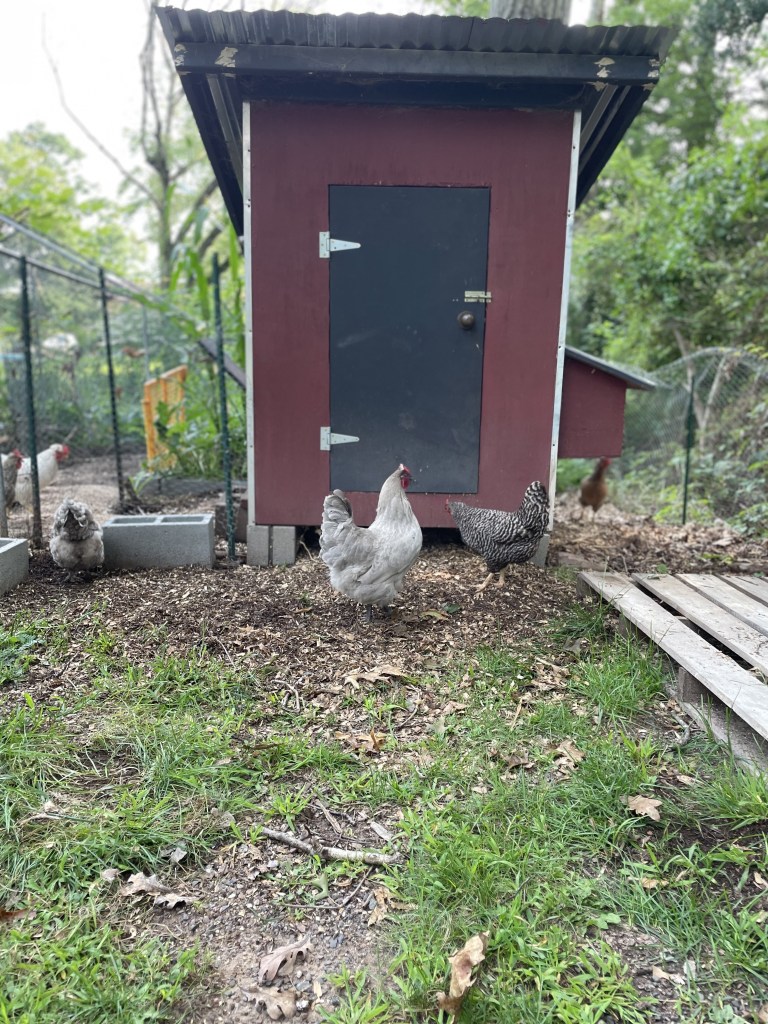

 Nothing Butt Fluff